
Run global trade
Every party of the order working from the same record, in real time.
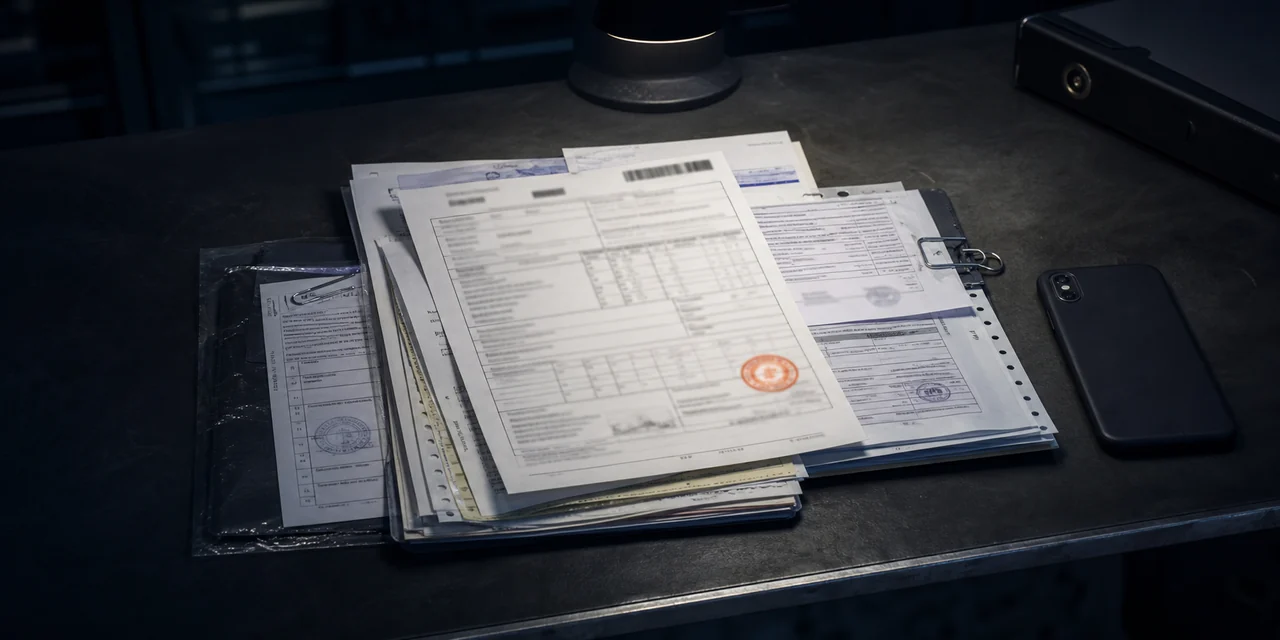
What this looks like from your desk
You are the only party who can see the whole order — and you are seeing it several days late.
You are the only party who can see the whole order, and you are seeing it late. The supplier knows what they've actually produced. The forwarder knows what the freight really costs now. The client knows what they were promised. None of them are talking to each other, so every one of those facts reaches you second-hand and several days old.
The cost isn't the emails. It's what the delay does to decisions: you quote against a freight rate that has already moved, you promise a delivery week the factory silently reset, you discover a document mismatch when the container is already at port and demurrage is running.
And when a client asks in month six why a shipment rerouted, reconstructing the answer means reading twenty-eight emails across three inboxes — assuming the person who sent them still works for you.
- This is you if
- Your week contains at least one call that exists only to ask somebody what they already know.
- You have quoted against a freight rate that had already moved by the time you sent it.
- A delivery week was reset at the factory and you found out from the client asking about it.
- Landed cost is reconstructed after arrival, so margin is a number you learn rather than manage.
- The same document exists in three versions across your inbox, a supplier’s drive and a broker’s folder.
Sixty days from order to close, against twenty-two on a shared record — the group’s own operation, same goods, same factories. The thirty-eight days in between were spent waiting for facts other people already had.
After the record is shared
How an engagement runs
What happens, in order, with the timeline stated rather than implied.
The parts of the group that do this work
The figures behind the claim
Every number here is maintained on the Record with its source.
What buyers ask
When we are the wrong answer
Qualifying out early is cheaper for both sides than discovering it in month three.
You run a single supplier and a single buyer with no intermediary — a letter of credit works fine for that, and you don't need this.
You want a document repository rather than an operating record. TradeOS is where work happens, not where files are parked.
Your team is unwilling to let counterparties see order status. The value is the shared record; withhold it and you're back to email with extra steps.
You need a customs brokerage or a freight forwarder. We integrate with yours; we don't replace them.
Bring us your worst order.
Thirty minutes, your data, your counterparties on screen. If it doesn't obviously beat what you have, that is a useful answer too.