
EDMAGroup

Operate renewable assets

One record for the asset, from development through to exit.
Asset ownersDevelopersLendersO&M operators
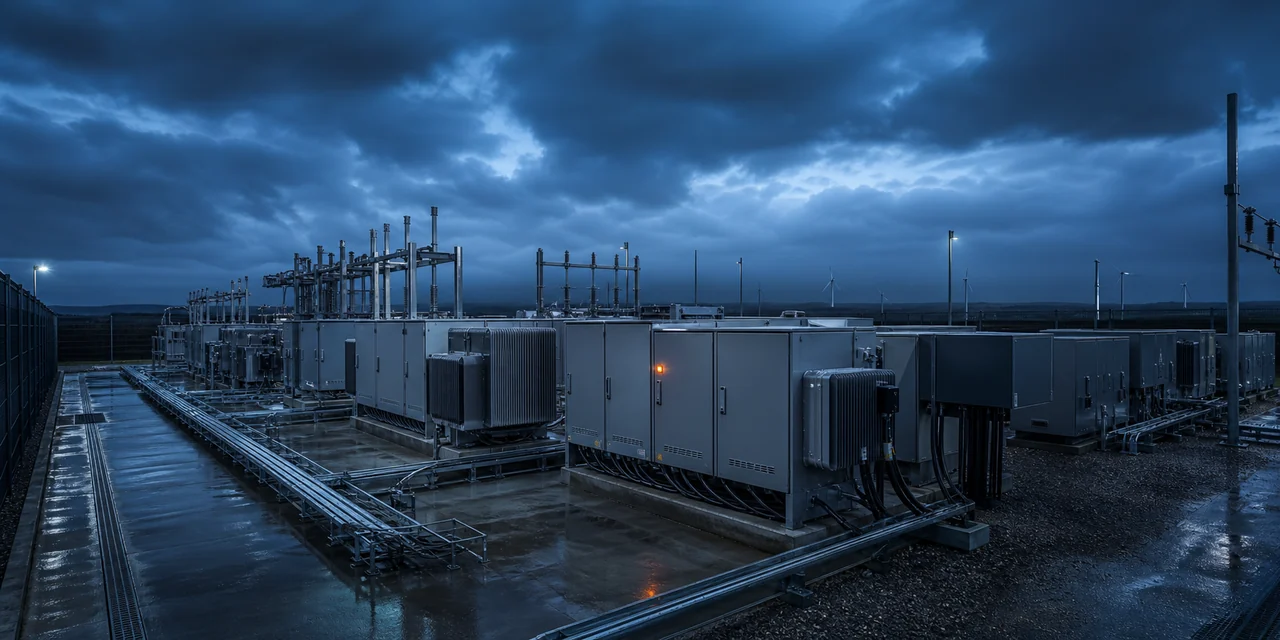
Substation and inverter yard at dusk, transformer cabinets and cable trays, wind turbines on the horizon
01 · The situation

What this looks like from your desk

An asset outlives every team that touches it — and the record does not.

Every handover loses something. Development passes to construction, construction to operations, operations eventually to a buyer — and each time the model ends up in someone's spreadsheet, the covenants in a PDF, and the actuals in a portal nobody in finance opens.

So the questions that matter take weeks to answer. What changed between the model and the actuals? Which assumptions are still live? Why did availability drop in the quarter the lender is now asking about?

On the certificate side the economics are worse: renewable-energy certificates get double-counted between registries, and the audit needed to prove they were not costs more than the credits are worth.

    This is you if
  • A lender has asked what changed since financial close, and answering meant rebuilding the model from exports.
  • Your operating data lives in a portal nobody in finance opens.
  • Each handover — development to construction, construction to operations — started its own version of the truth.
  • You cannot say, quickly, which of the original assumptions are still live.
  • Certificate assurance costs enough that the credits stop being worth issuing.
02 · What the status quo costsclaim per unit generated

Renewable-energy certificates are double-counted between registries often enough that proving they were not can cost more than the credits are worth. Evidence signed at the meter before issuance removes the assurance bill rather than paying it.

WeeksTypical reconciliation between model and actuals for a lender question
Per handoverWhere the asset's history is usually lost
> credit valueWhat certificate assurance often costs to obtain
03 · What changes

After the record is shared

01The record survives the handovers. When the lender asks what changed, the answer is a query rather than a reconstruction — and when you sell, the buyer inherits a history instead of a folder of exports.
02Certificate evidence is taken from the meter and signed before issuance, so the same kilowatt-hour cannot be claimed twice. That removes the assurance cost that usually eats the credit.
03It is shaped against real assets. Flowyn is built on a 237 MWp reference portfolio inside the group, so its covenants, fault taxonomy and certificate flows come from plants with real lenders and real availability figures rather than from assumptions about them.
04 · The path

How an engagement runs

What happens, in order, with the timeline stated rather than implied.

01Portfolio reviewTechnology, stage, size, jurisdictions and counterparties - scoped against the reference architecture.
02Model alignmentThe lender-grade financial model configured to your covenants and tariff structure, then versioned against actuals.
03Agent deploymentCFO, Operations, Asset, Trading and ESG agents brought online across the portfolio.
04Certificate flowsMeter evidence, attestation and issuance connected, so a unit of generation carries one claim.
01Portfolio reviewAsset types, lender formats and jurisdictions scoped against the reference architecture.
02Model alignmentThe lender-grade financial model configured to your covenants and versioned against actuals.
03DeploymentAgents and certificate flows brought online across the portfolio.
Asset stage and technologyDevelopment, construction or operating — stage determines whether the fit exists yet.
The current modelWhatever the financial model looks like now, including its known weaknesses.
A view on your lender's requirementsThe model is built to lender standard; knowing which lender sharpens that.
05 · What answers it

The parts of the group that do this work

06 · Proof

The figures behind the claim

Every number here is maintained on the Record with its source.

237 MWpReference portfolio it is built against
5Agents: CFO, operations, asset, trading, ESG
1 claimPer unit of generation on the ledger
Every figure, sourced →
07 · Questions

What buyers ask

How do engagements start?With a portfolio review: your asset types, lender formats and jurisdictions define the deployment scope against the reference architecture.
Why should a lender care?Because the financial model is built to their standard and versioned against actuals, which is the reconciliation that normally costs weeks.
What about existing monitoring platforms?Flowyn is not a SCADA replacement. It is the record above them — the layer where the model, the covenants, the actuals and the certificates finally meet.
How does the certificate side work?Meter evidence is signed by an independent attestor before a certificate can issue, and the ledger permits one claim per unit of generation.
What does the ESG side add?Meter evidence signed by an independent attestor before a certificate can issue — one claim per unit of generation, enforceable on the ledger.
08 · Where this doesn't apply

When we are the wrong answer

Qualifying out early is cheaper for both sides than discovering it in month three.

You want a SCADA or monitoring replacement. Flowyn sits above those, not instead of them.

You have a single small asset and a spreadsheet that works. The value appears across handovers and portfolios.

NEXT STEP

Early enough to shape it.

Tell us about the asset. If the fit is wrong for now we will say so — and tell you when to come back.

09 · Other needs

Five other routes

All six needs →